Insurance Premium Benefits
Installing security glazing not only enhances the protection of your property but can also lead to significant savings on your insurance premiums. Many insurance providers offer reduced rates for properties with enhanced security measures, including secondary security glazing.
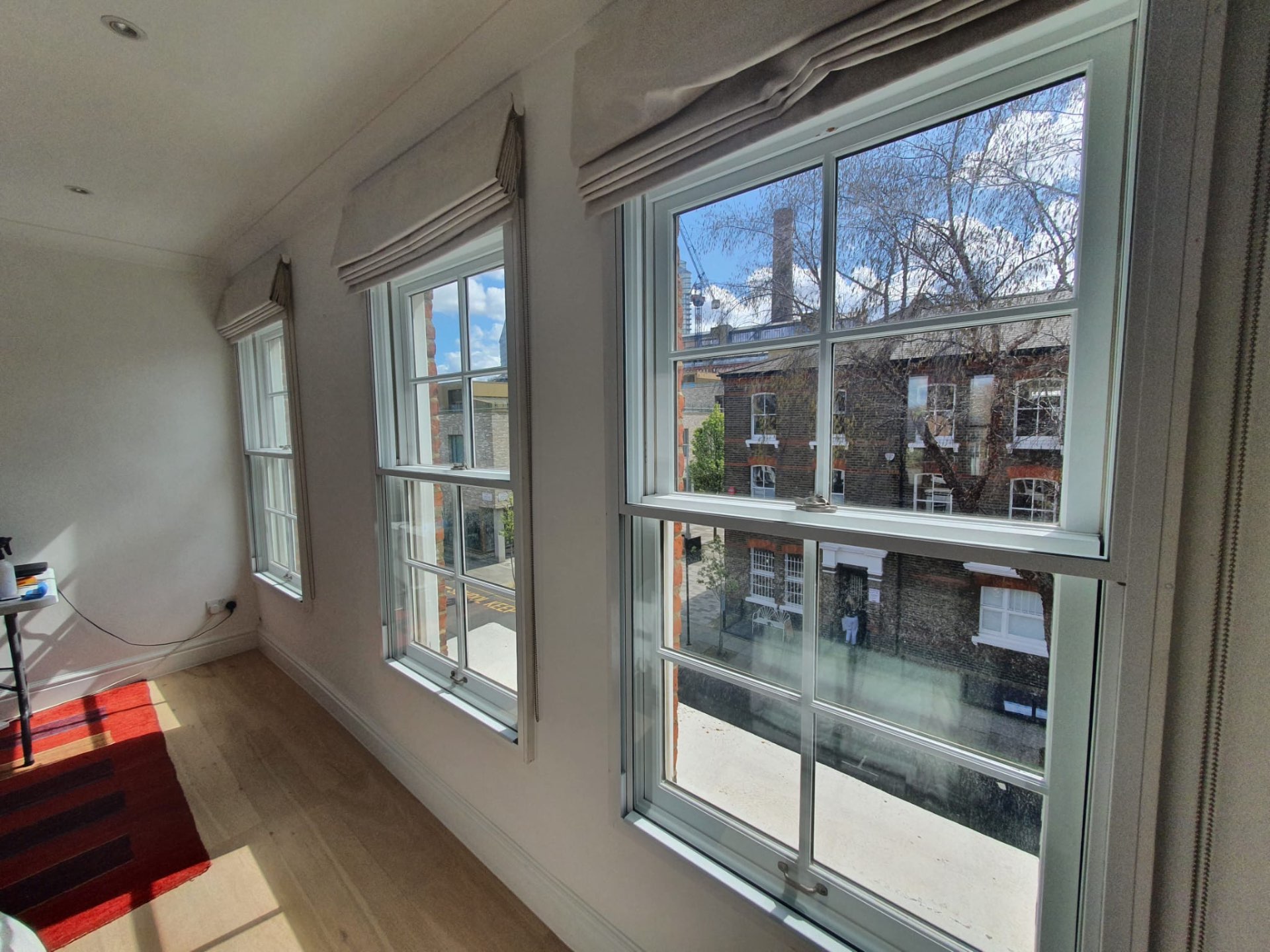
Insurance Benefits
- Reduced insurance premiums
- Enhanced security rating for your property
- Additional protection against break-ins
- Potential claims reduction
- Improved property value
Security Features
- Multi-point locking systems
- Reinforced frames
- Laminated glass options
- Anti-lever mechanisms
- Insurance-approved specifications
Calculate Your Savings
Insurance Premium Savings Calculator
Note: These calculations are estimates based on industry averages. Actual savings may vary depending on your insurance provider, location, and other factors.
How Security Glazing Affects Insurance
Insurance companies assess risk based on various security measures in place at your property. Secondary security glazing is recognized as an effective deterrent against break-ins and can result in lower insurance premiums. The actual reduction in premiums can vary depending on:
- Your insurance provider's specific policies
- The type of security glazing installed
- Your property's location and risk assessment
- The overall security system in place
Security Glazing Standards & Insurer Recognition
UK insurers — including Hiscox, AXA Art, Chubb, and the LV= High Net Worth division — typically require documented compliance with one of three impact-classification standards before applying a security premium discount. For secondary glazing, the relevant tests are conducted on the secondary unit independently of the primary window, and certificates must be issued by a UKAS-accredited laboratory.
| Standard | Test Method | Glazing Spec Required | Typical Insurer Discount |
|---|---|---|---|
| BS EN 356:2000 P1A | Drop-ball, 3 strikes | 6.8mm laminated | 5–8% |
| BS EN 356:2000 P4A | Drop-ball, 30 strikes | 8.8mm laminated | 10–15% |
| BS EN 356:2000 P6B | Axe attack, 30–50 blows | 11.5mm+ laminated | 15–20% |
| LPS 1175 SR2 | 3-min manual attack | 10.8mm + reinforced frame | 15–25% |
| PAS 24:2022 | Manipulation + impact | Full assembly tested | 10–18% |
Specification Notes for HNW & Listed Properties
For high-net-worth residential cover (typically policies above £2m sum-insured), insurers commonly stipulate BS EN 356 P4A as the minimum on all ground-floor and accessible upper-floor openings. Where the property is listed and the primary window cannot be modified, secondary glazing tested to LPS 1175 SR2 by the Loss Prevention Certification Board (LPCB) is the route most frequently accepted by Chubb Masterpiece and Hiscox 708 underwriting. Our standard SR2 specification combines 10.8mm laminated glass, Sentryglas® ionoplast interlayer, and a 4-point shoot-bolt locking system in a steel-reinforced aluminium frame.
We supply the full certification package — including UKAS test reports, NBS specification clauses (Pr_25_30_98_75), and installer competence statements — for direct submission to the underwriter. This documentation has historically secured premium reductions of 12–22% on London-based heritage policies, with the exact figure depending on postcode risk band (ABI risk codes) and existing perimeter security.