How Secondary Glazing Reduces Noise in London Homes
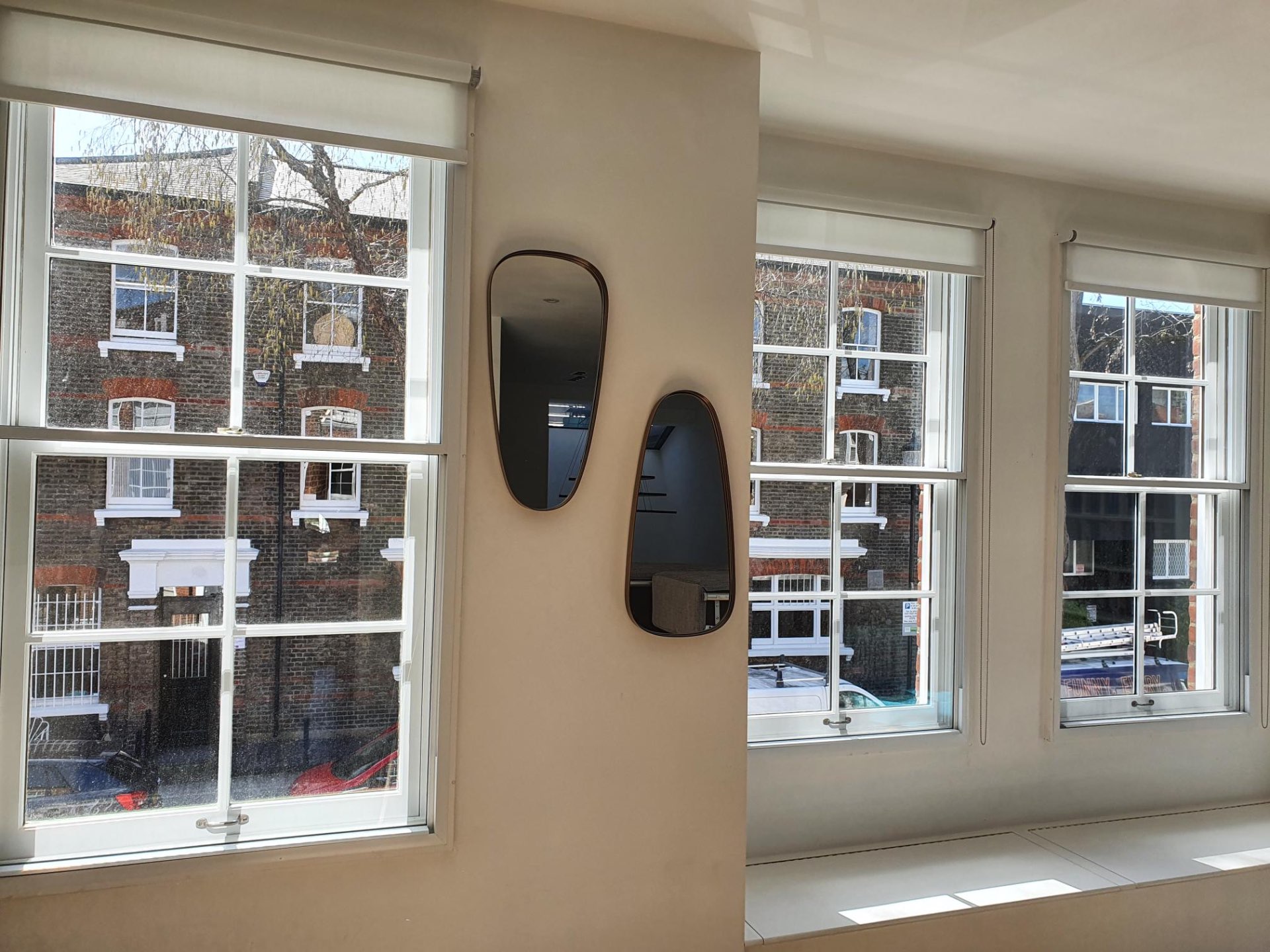
Living in London means dealing with constant noise from traffic, construction, and urban life. Secondary glazing offers an effective solution to create a peaceful sanctuary in your home.
Understanding Sound and Decibels
Sound is measured in decibels (dB). Here's what different levels mean:
- 30 dB: Quiet library
- 60 dB: Normal conversation
- 70 dB: Busy street traffic
- 85 dB: Heavy traffic or construction
How Secondary Glazing Reduces Noise
Secondary glazing works by creating an air gap between the original window and the secondary unit. This gap acts as a buffer zone that significantly reduces sound transmission.
The key factors affecting noise reduction are:
- Air gap size: Larger gaps (100mm+) provide better acoustic performance
- Glass thickness: Thicker or laminated glass absorbs more sound energy
- Frame sealing: Airtight seals prevent sound leakage - fixed panels offer the best seal
- Glass mass: Heavier glass blocks more sound
Noise Reduction Results
With properly installed secondary glazing, you can expect:
- Standard installation: 35-40 dB reduction
- Acoustic-rated glass: 45-50 dB reduction
- Maximum specification: Up to 54 dB reduction
Best Solutions for Different Noise Sources
Different noise problems require different solutions:
- Road traffic: 10mm+ laminated acoustic glass - see busy roads solutions
- Aircraft noise: Maximum air gap with heavy glass - see Heathrow flight path solutions
- Railway noise: Laminated glass with vibration-dampening seals - see train noise solutions
- Nightlife/bars: Triple-layer acoustic glazing - see urban noise solutions
Real London Case Studies
We've helped hundreds of London residents escape noise pollution, from properties near Heathrow to homes on busy arterial roads in Central London. See more on our Case Studies page.
Window Types for Noise Reduction
Different secondary glazing systems offer varying acoustic performance. Fixed panels provide the best noise reduction as they're completely sealed. Vertical sliding systems suit period sash windows while still offering excellent acoustic performance. For seasonal use, lift-out panels provide outstanding noise reduction when installed.
Heritage Properties and Noise
Many of London's noisiest locations have beautiful heritage properties. Secondary glazing is ideal for Victorian terraces on busy roads, Georgian townhouses in urban areas, and Edwardian homes near transport hubs. It's fully compatible with listed buildings and conservation areas.
Commercial Noise Solutions
Noise reduction is equally important for businesses. We provide acoustic secondary glazing for open-plan offices near busy roads, hotels requiring guest comfort, schools near flight paths, hospitals and clinics, and retail spaces in high-traffic locations.
Service Areas for Noise Reduction
We provide acoustic glazing solutions across Central London, West London (including Heathrow flight paths), North London, South London, East London, and the Home Counties. See our cost guide for pricing information.