Planning Permission for Secondary Glazing in Conservation Areas: Complete Guide 2026
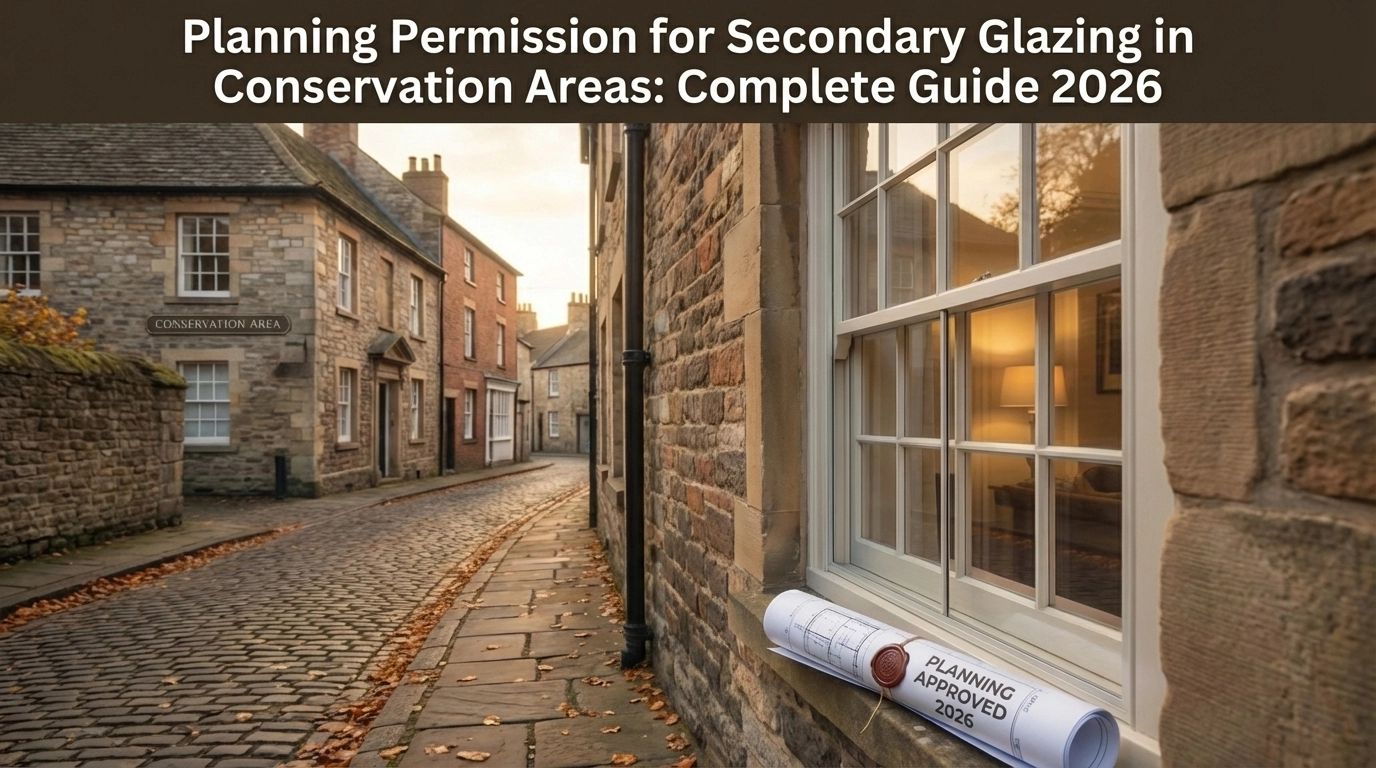
If you're a homeowner in a London conservation area wondering whether you need planning permission for secondary glazing, you're not alone. This is one of the most common concerns we hear from property owners in Westminster, Kensington & Chelsea, Camden, and other heritage-rich boroughs.
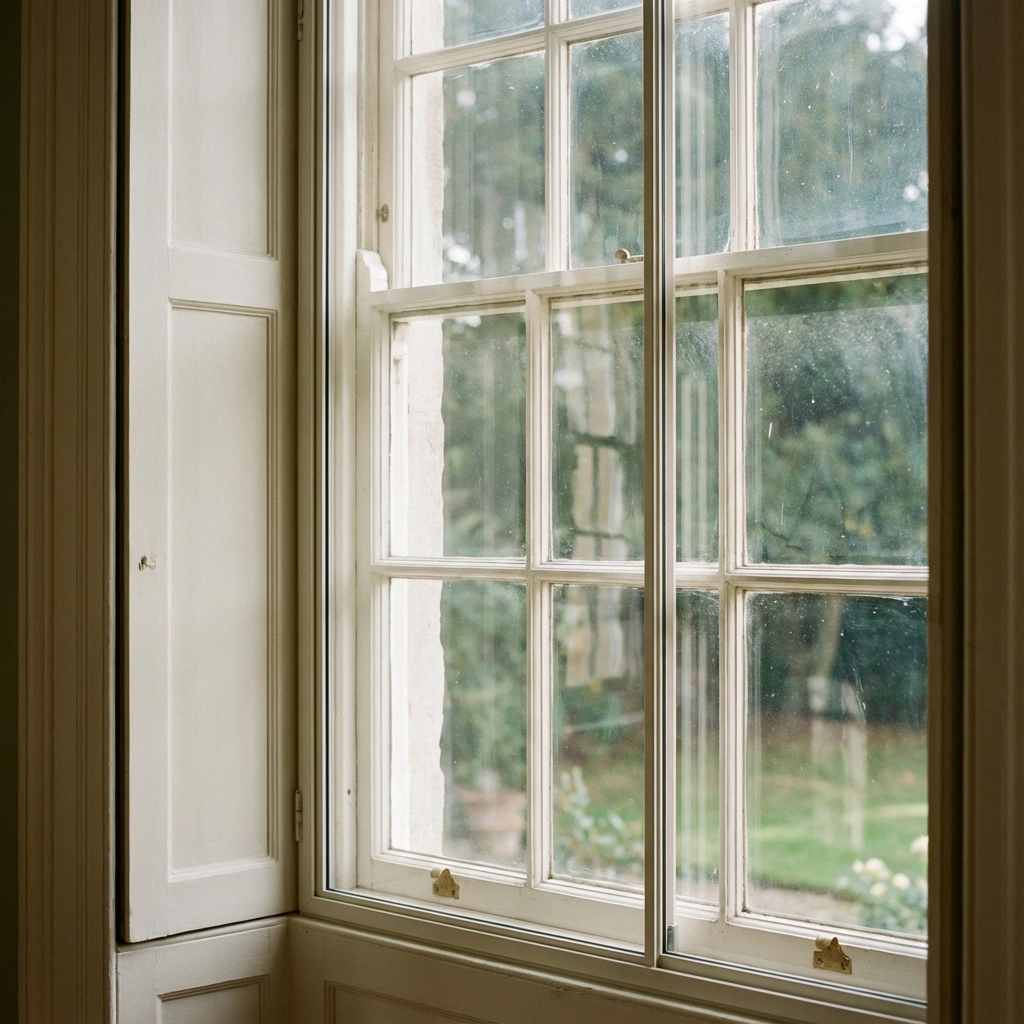
The good news? Secondary glazing typically doesn't require planning permission in conservation areas because it's installed internally and doesn't alter the external appearance of your property. However, there are important exceptions and considerations you need to understand before proceeding.
Understanding Conservation Areas in London
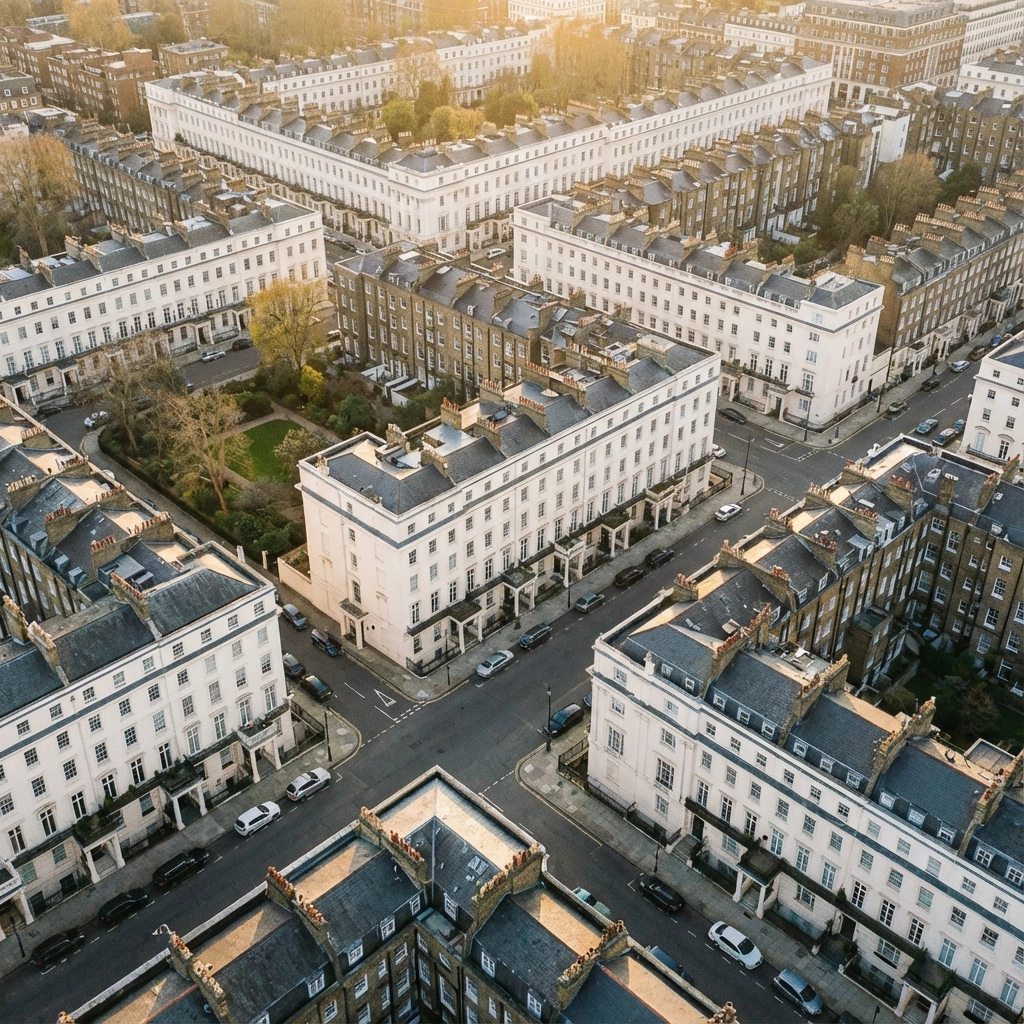
Conservation areas are designated to preserve the special architectural and historic character of particular neighborhoods. London has over 1,000 conservation areas, with Westminster alone containing 75+ designated zones including Belgravia, Mayfair, and Covent Garden.
Unlike listed building protection (which applies to individual properties), conservation area designation focuses on preserving the overall character and appearance of the streetscape. This means any external alterations that could affect the area's visual appeal may require planning permission.
When Planning Permission IS Required vs NOT Required
No Permission Typically Needed
Single-occupancy houses in conservation areas generally don't need planning permission for secondary glazing because:
- The installation is entirely internal
- No external appearance changes occur
- The work is fully reversible
- Original windows remain untouched
Permission May Be Required
Flats and commercial buildings might need planning permission, particularly:
- Work affecting the principal elevation (street-facing side)
- Buildings with shared ownership or management companies
- Properties where internal alterations could impact the building's historic fabric
Listed buildings within conservation areas face dual protection. While conservation area rules might not require permission, Listed Building Consent is typically needed due to the building's individual protected status.
Article 4 Directions Explained
Some conservation areas have Article 4 Directions that remove certain permitted development rights. These special designations require planning permission for work that would normally be allowed without consent.
Common Article 4 restrictions include:
- Window replacements or alterations
- Roof changes
- Front boundary treatments
- Sometimes even internal alterations
However, secondary glazing installations are rarely affected by Article 4 Directions since they don't alter the building's external appearance.
Listed Buildings vs Conservation Areas: Key Differences
Understanding the distinction between conservation area designation and listed building status is crucial:
Conservation Areas
- Protect the character of entire neighborhoods
- Focus on external appearance and streetscape
- Secondary glazing typically permitted without consent
Listed Buildings
- Protect individual properties of special historic interest
- Require Listed Building Consent for most alterations
- Secondary glazing may require consent, especially in sensitive locations
Dual Protection
- Many properties in conservation areas are also listed
- Both conservation area and listed building rules apply
- Listed Building Consent typically required regardless of conservation area status
How to Check Your Property's Status
Before proceeding with secondary glazing installation, verify your property's designation status:
- Check the local planning authority website (Westminster, Camden, etc.)
- Use the Historic England website to search for listed building status
- Contact the council's conservation officer for specific guidance
- Review any Article 4 Direction maps for your area
Borough-Specific Considerations
Westminster: With 11,000+ listed buildings and extensive conservation areas, pre-consultation is especially important. Areas like Belgravia and St. James's have strict heritage protection.
Kensington & Chelsea: The borough's 70+ conservation areas include South Kensington and Knightsbridge. Many properties face dual listed building and conservation area protection.
The Application Process (When Required)
If planning permission or Listed Building Consent is needed:
- 1. Pre-application advice — Speak with the conservation officer first
- 2. Prepare detailed drawings showing existing windows and proposed secondary glazing
- 3. Submit heritage statement explaining how the proposal preserves character
- 4. Include reversibility information demonstrating the installation's temporary nature
- 5. Allow 8-12 weeks for determination
Why Secondary Glazing Is Usually Approved
Secondary glazing receives favorable consideration in heritage contexts because:
- Preserves original windows — No damage to historic fabric
- Fully reversible — Can be removed without trace
- Improves building performance — Supports conservation through better thermal efficiency
- Reduces condensation — Protects original window frames from moisture damage
- Heritage-sensitive approach — Maintains authentic external appearance
For more detailed information on secondary glazing for listed properties, see our Complete Guide to Secondary Glazing for Listed Buildings.
Real Case Studies from London
For more real-world examples, visit our Case Studies page.
Westminster Georgian Townhouse
A Grade II listed Georgian property in Pimlico required Listed Building Consent for acoustic secondary glazing. The application emphasized the reversible nature and heritage benefits, receiving approval within 10 weeks.
Kensington Conservation Area Flat
A mansion flat in South Kensington Conservation Area installed secondary glazing without planning permission, as the work didn't affect the principal elevation and remained entirely internal.
Camden Victorian Terrace
A Victorian terrace in Bloomsbury Conservation Area required consultation due to Article 4 Direction restrictions, but secondary glazing was approved as it didn't trigger the specific limitations.
Recent Regulatory Changes (2024)
The May 2024 General Permitted Development Order introduced changes to window alteration rights in conservation areas. However, these primarily affect window replacements rather than secondary glazing installations.
Key updates include:
- Modified permitted development rights for like-for-like window replacements
- Simplified application processes for combined works
- Continued protection for listed buildings requiring specific consent
Common Mistakes to Avoid
- Assuming no permission needed — Always check your specific property status
- Proceeding without consultation — Pre-application advice prevents complications
- Ignoring Article 4 Directions — Check for additional restrictions in your area
- Choosing inappropriate designs — Ensure secondary glazing suits the property's character
- Skipping heritage considerations — Work must respect the building's historic value
Professional Installation Considerations
Choose installers experienced with heritage properties who understand:
- Conservation area requirements
- Listed building sensitivities
- Appropriate materials and techniques
- Reversibility requirements
- Local authority expectations
Frequently Asked Questions
Do I need permission for secondary glazing in any conservation area?
Not typically for houses, but flats and listed buildings may require consent. Always check first.
What about Article 4 Directions?
These rarely affect secondary glazing since it doesn't change external appearance, but verify your area's specific restrictions.
How long does Listed Building Consent take?
Usually 8-12 weeks, though pre-application advice can speed the process.
Can secondary glazing be refused?
Rarely, as it preserves original windows while improving performance. Refusals typically relate to inappropriate design rather than the concept itself.
Do building regulations apply?
Secondary glazing installations typically fall under minor works, but check with Building Control if structural changes are needed.
Getting Started: Your Next Steps
The key to successful secondary glazing installation in conservation areas is early consultation and professional guidance. While planning permission is usually unnecessary, understanding your property's specific status prevents delays and complications.
Commercial Properties in Conservation Areas
Many London businesses operate from premises in conservation areas. We specialise in secondary glazing for period office conversions, boutique hotels and restaurants, heritage schools and colleges, and high street retail properties requiring planning-compliant solutions.
Ready to explore secondary glazing for your heritage property? Our team specializes in conservation area and listed building installations across London. We provide free planning advice consultations and can guide you through any consent requirements specific to your property.
Contact us today for expert guidance tailored to your conservation area property. With over 15 years of heritage glazing experience, we'll ensure your installation respects your building's character while delivering the thermal and acoustic performance you need.
Call 020 7060 1572 or request your free consultation to discuss planning requirements for your specific property and location.