Condensation Control
Effective condensation control is crucial for maintaining a healthy living environment and protecting your property's windows from moisture damage. Our specialized secondary glazing solutions are designed to combat condensation issues by creating an additional barrier that helps regulate temperature differences between indoor and outdoor environments.
By installing our secondary glazing systems, you can significantly reduce or eliminate condensation problems, preventing issues such as mold growth, dampness, and deterioration of window frames. Our solutions work by maintaining a more consistent surface temperature on your windows, effectively preventing the formation of condensation while also improving your property's overall thermal efficiency.
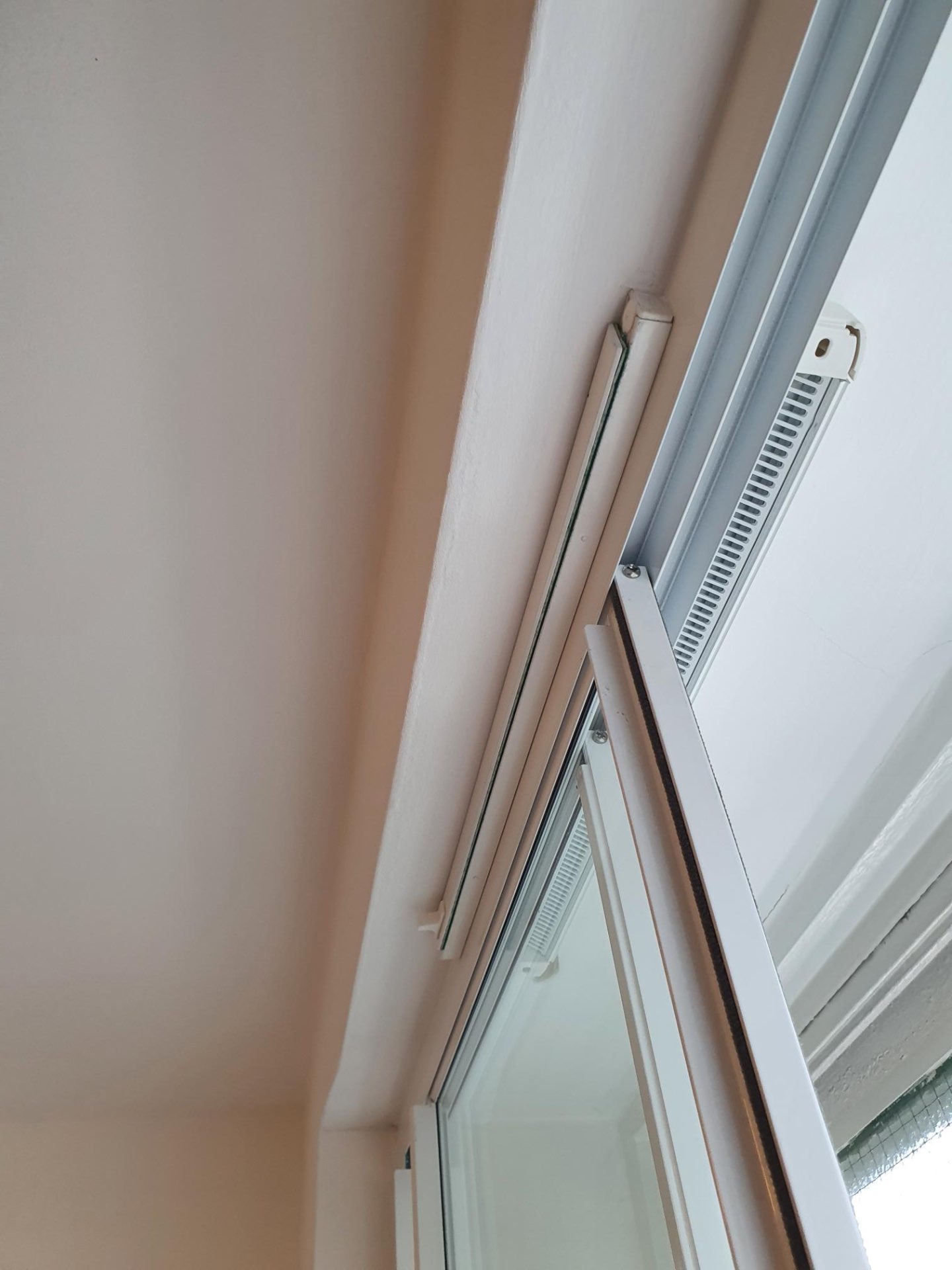
How Secondary Glazing Prevents Condensation
Secondary glazing creates an additional barrier that helps regulate temperature differences between indoor and outdoor environments, significantly reducing condensation formation.
- Creates thermal barrier
- Reduces cold spots on windows
- Improves ventilation control
- Prevents moisture buildup
- Ideal for all property types
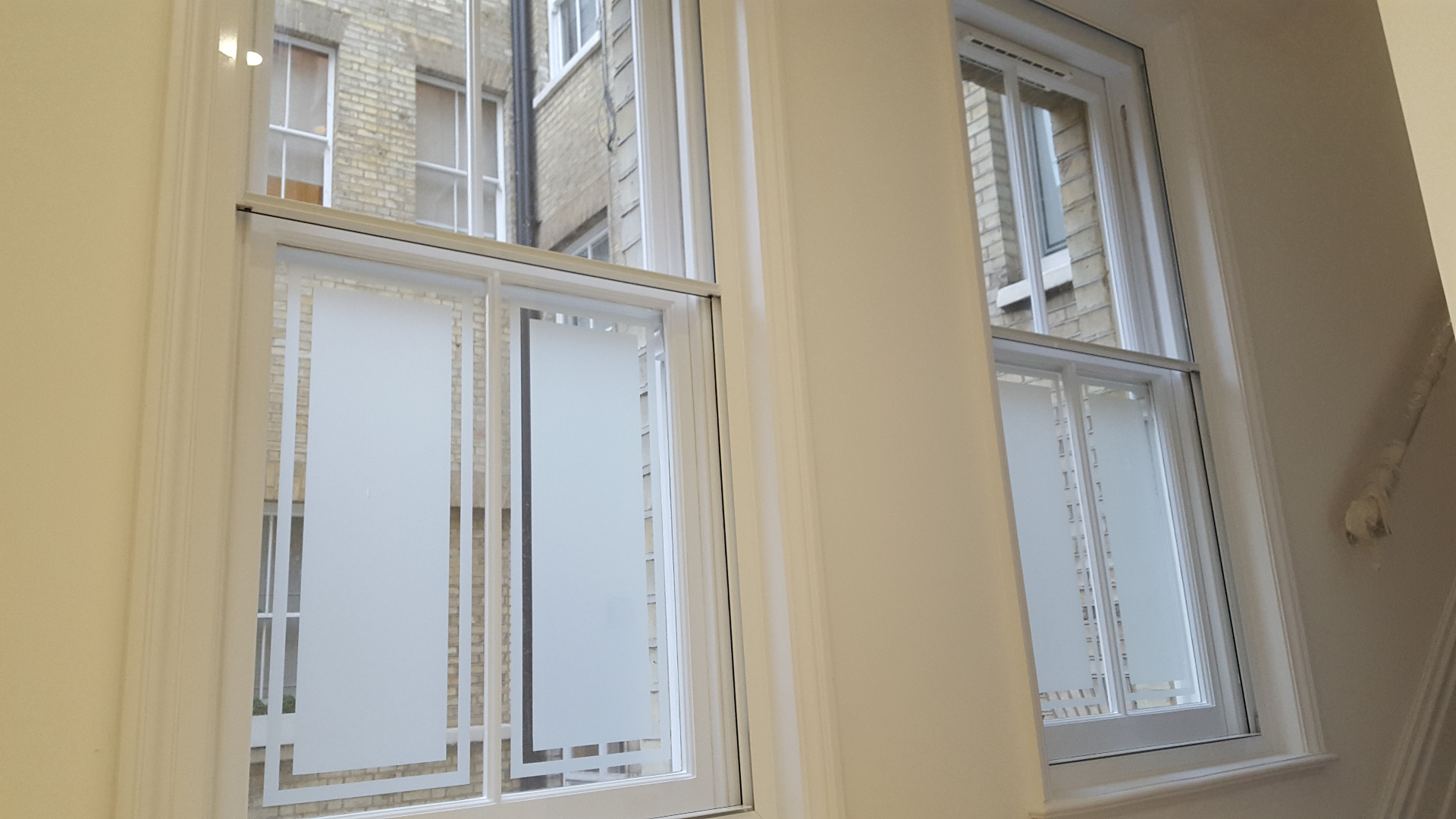
Benefits of Condensation Control
Secondary glazing offers highly effective condensation control, bringing a wide range of benefits for both your property and your health. By creating an additional barrier between the interior and exterior environments, it reduces moisture buildup on windows, preventing issues like mold, dampness, and peeling paint.
- Prevents mold growth
- Protects window frames
- Improves indoor air quality
- Reduces maintenance costs
The Science Behind It
Secondary glazing works by creating an insulating air gap between your existing window and the new pane. This air gap helps maintain a more consistent temperature on the inner surface of your windows, preventing the formation of condensation when warm, moist air comes into contact with cold surfaces.
Temperature Regulation
The additional layer of glazing helps maintain a more stable temperature on the inner surface of your windows. By reducing the temperature difference between the glass surface and room air, secondary glazing significantly decreases the likelihood of condensation forming. This is particularly effective in rooms with high humidity levels, such as kitchens and bathrooms.
Long-Term Protection
By controlling condensation, secondary glazing helps protect your window frames and surrounding walls from water damage, rot, and mold growth. This preventive measure can significantly extend the life of your windows and maintain the structural integrity of your property while creating a healthier living environment.
Ventilation Options
Integrated Ventilation Solutions
Our secondary glazing units can be fitted with specialized ventilation systems to ensure optimal air circulation while maintaining thermal and acoustic performance.
Available Options
- Trickle vents for continuous background ventilation
- Humidity-controlled vents that respond to moisture levels
- Adjustable ventilation slots for manual control
- Removable panels for maximum ventilation when needed
Benefits
- Maintains fresh air circulation
- Helps prevent condensation build-up
- Reduces risk of mold growth
- Preserves window frames and surroundings
- Improves indoor air quality
Dew-point, Psychrometrics & Specification Targets
Surface condensation forms when the internal pane temperature falls below the dew-point of the adjacent air, calculated under the Magnus-Tetens approximation in BS EN ISO 13788:2012 (Hygrothermal performance of building components — Internal surface temperature to avoid critical surface humidity). For a typical UK living room held at 21°C and 50% RH, the dew-point is 10.2°C — meaning any pane surface below this threshold will attract condensate. Single-glazed primary windows in occupied dwellings routinely operate at 6–9°C in winter, placing them well inside the condensation risk band.
Secondary glazing addresses this by raising the inner-pane surface temperature to 16–18°C. The intervening cavity must remain unsealed to the room (vented to the outside) to allow any residual moisture between panes to dissipate via natural buoyancy. Our standard heritage detail incorporates a 6mm vent slot to the external reveal, satisfying the cavity ventilation requirements outlined in BS 8213-4:2016 Code of Practice for the survey and installation of windows and external doorsets.
| Window System | Inner-pane Surface Temp | Critical RH (at 21°C) | Mould Risk (BS EN ISO 13788) |
|---|---|---|---|
| Single Glazing (control) | 7°C | 39% | High — fSi < 0.50 |
| Single + Secondary (100mm) | 16°C | 73% | Low — fSi ≈ 0.78 |
| Single + Secondary (150mm + K Glass) | 18°C | 82% | Negligible — fSi ≈ 0.85 |
fSi is the temperature factor at the internal surface, with 0.75 the threshold value cited in BRE IP 1/06 for avoiding mould growth in dwellings. All three configurations are compatible with the Approved Document F (Ventilation, 2021) requirement of 0.5 ACH continuous extract in occupied rooms.
Specification for Heritage & PAS 2035 Retrofit
On listed and pre-1919 stock undergoing PAS 2035:2019 deep-retrofit, secondary glazing is the preferred interstitial-condensation mitigation because it preserves vapour-open performance of the primary sash and avoids the moisture-trap risk associated with replacement IGUs in lime-mortar reveals. The installation must be coordinated with whole-house ventilation strategy (typically MVHR or dMEV) under PAS 2035 Risk Path B to ensure the dew-point gradient through the build-up remains in the safe envelope defined in WUFI hygrothermal modelling.