Thermal Insulation
Advanced solutions for maximum energy efficiency
Our advanced thermal insulation solutions provide exceptional energy efficiency for your property. By creating an additional barrier against heat loss and gain, our secondary glazing systems can significantly reduce your energy consumption and create a more comfortable living environment. Using the latest in glazing technology, our solutions can help reduce heat loss by up to 60% compared to single glazing, leading to substantial savings on your energy bills while contributing to a more sustainable future.
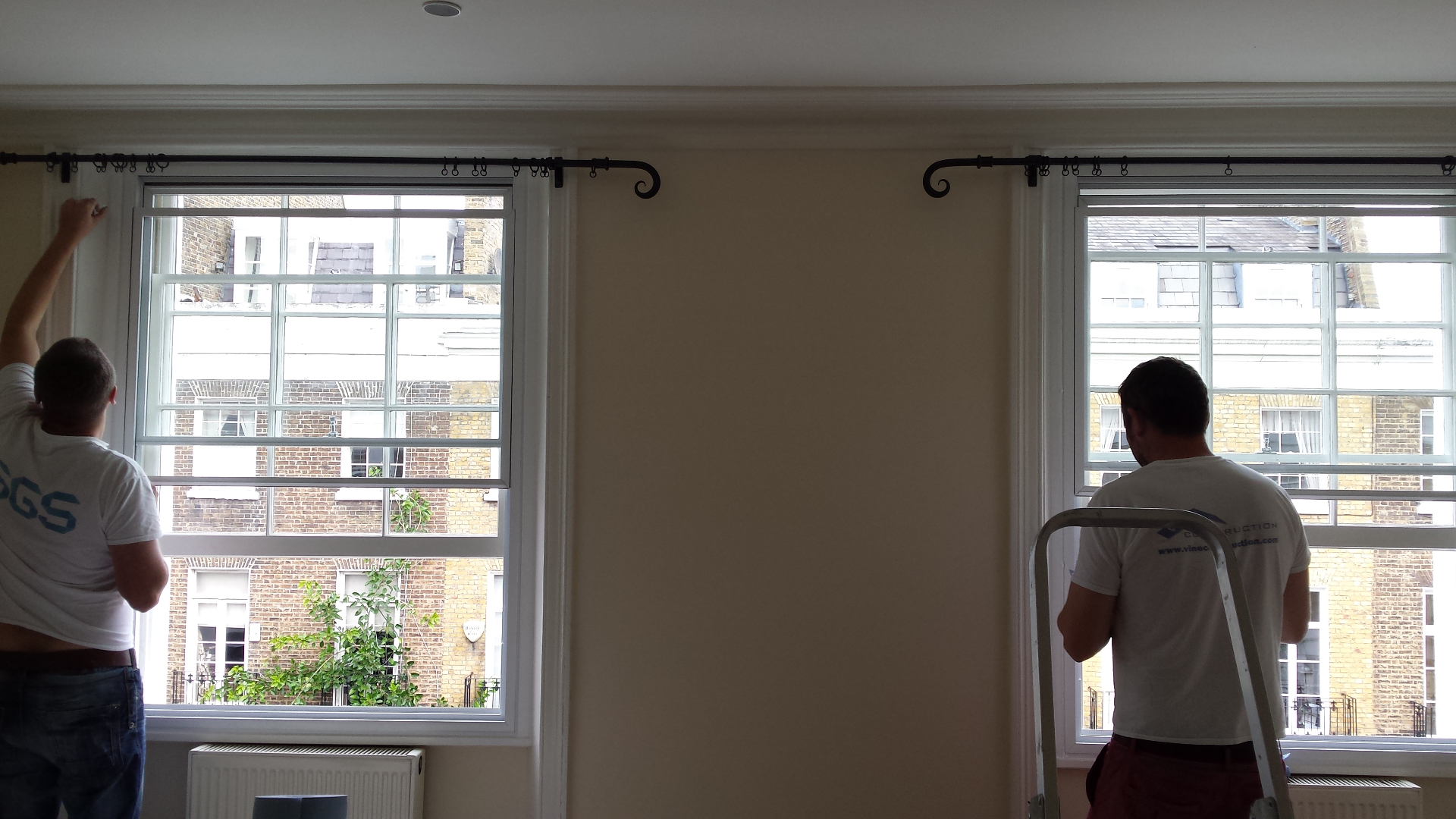
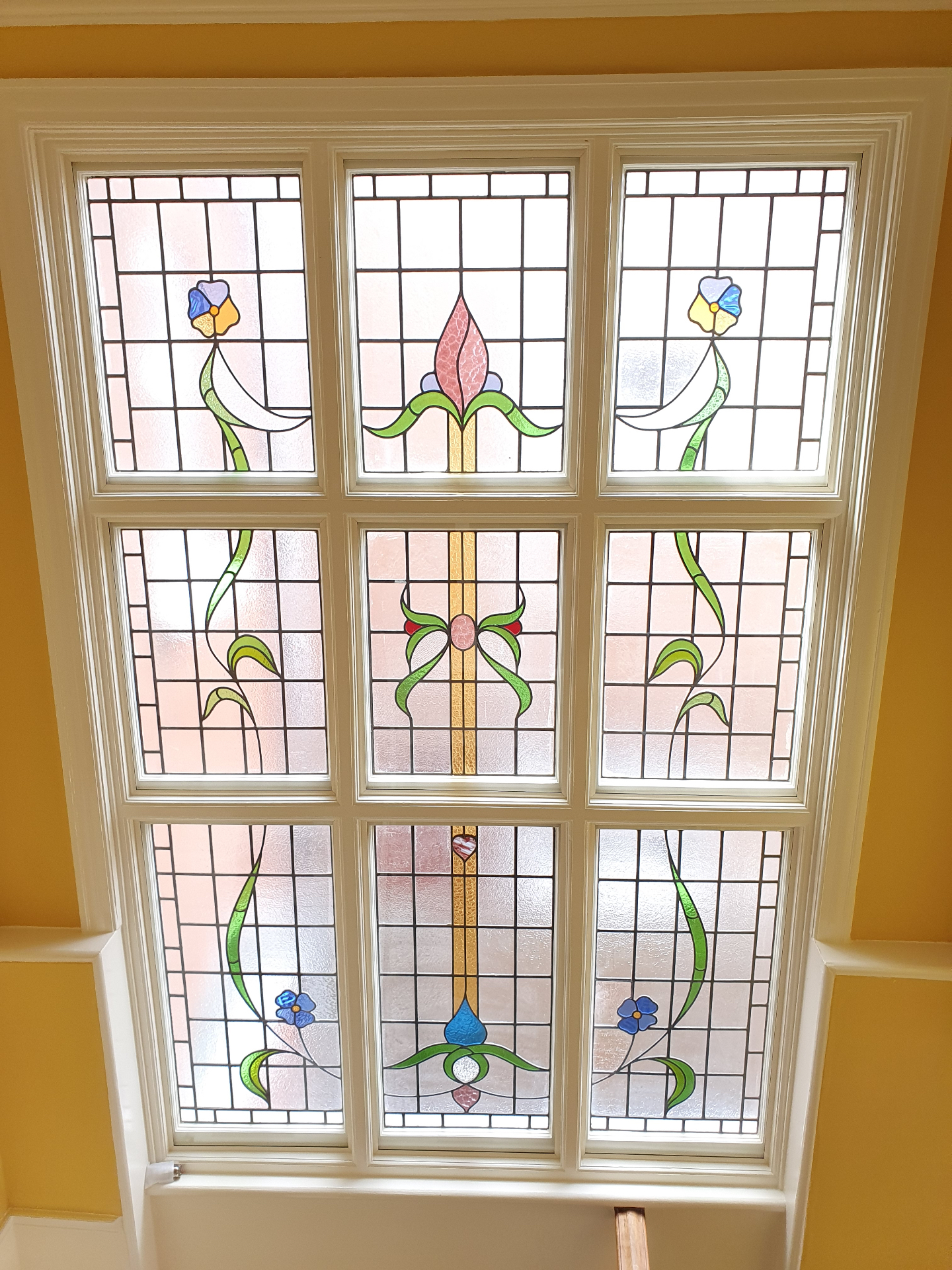
Energy Efficiency
Enhanced thermal insulation solutions for improved energy efficiency and comfort.
- Reduced heat loss
- Lower energy bills
- Improved U-values
- Draft elimination
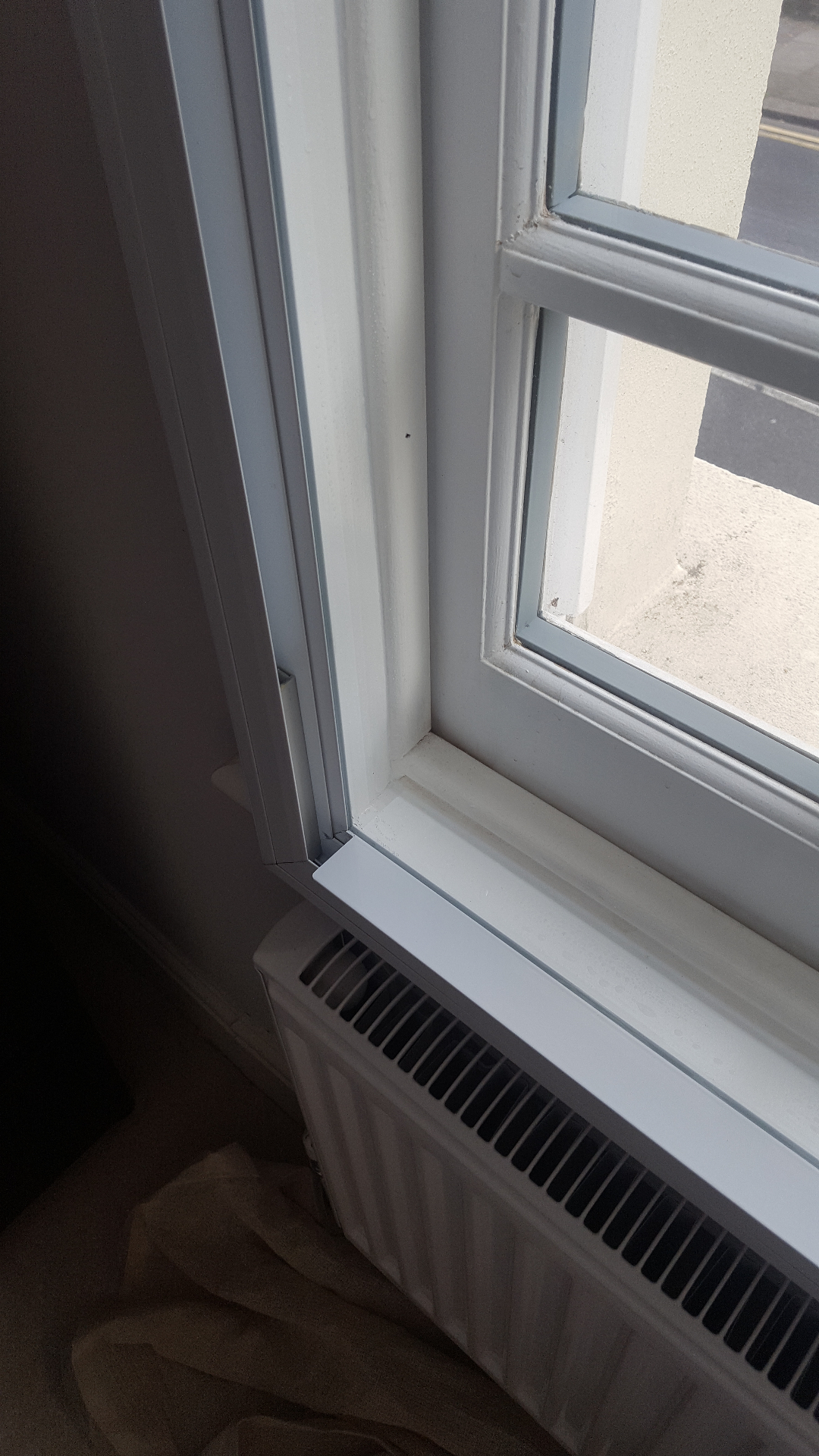
Technical Features
State-of-the-art thermal insulation technology for maximum efficiency.
- Low-E glass options
- Thermal break frames
- Warm edge spacers
- Weather sealing
Double Glazed Secondary Glazing Units
Superior thermal performance for demanding environments
Enhanced Thermal Performance
Our double glazed secondary glazing units offer superior performance through:
- Two separate air gaps for maximum insulation
- Up to 40% better insulation than single glazed secondary units
- Optimal 20mm gap between panes for maximum thermal efficiency
- Argon gas filling option for enhanced performance
Technical Specifications
Standard Configuration
- 4mm-12mm-4mm (20mm total)
- U-value: 1.2 W/m²K
- Sound reduction: up to 45dB
Premium Configuration
- 4mm-9.2mm-6.8mm Acoustic (20mm total)
- U-value: 1.0 W/m²K
- Sound reduction: up to 48dB
U-Values & Thermal Performance
Understanding heat loss reduction with secondary glazing
What is a U-Value?
U-Value measures how much heat passes through a window. Lower U-Values mean better insulation. The measurement is in W/m²K (Watts per square meter per Kelvin). A lower number indicates better thermal performance and less heat loss.
Single Glazing
U-Value
5.8
W/m²K
Heat Loss vs Single Glazing
100%
Standard single pane window
Single Glazed Secondary
U-Value
2.8
W/m²K
Heat Loss vs Single Glazing
48%
4mm glass with 100mm air gap
Low-E Secondary Glazing
U-Value
1.8
W/m²K
Heat Loss vs Single Glazing
31%
Low-E glass with 100mm air gap
Double Glazed Secondary
U-Value
1.2
W/m²K
Heat Loss vs Single Glazing
21%
4mm-12mm-4mm sealed unit
Premium Double Glazed
U-Value
1.0
W/m²K
Heat Loss vs Single Glazing
17%
4mm-9.2mm-6.8mm acoustic unit
💡Key Takeaway
Secondary glazing can reduce heat loss by up to 83% compared to single glazing. Even basic single glazed secondary units cut heat loss in half, while premium double glazed secondary glazing achieves U-values comparable to modern triple glazing.
Interactive U-Value Calculator
Calculate exact thermal performance improvements for your windows
Calculate Your U-Value Improvement
Standard single pane
Standard secondary glazing
Current U-Value
5.8
W/m²K
New U-Value
1.89
W/m²K
Improvement
67%
Better
Heat Loss Reduction
67%
Less heat loss
💡Estimated Annual Energy Impact
Current Annual Heat Loss
508 kWh
New Annual Heat Loss
165 kWh
Energy Saved
343 kWh/year
* Calculations based on thermal resistance method. Actual performance may vary depending on installation quality and environmental factors.
Performance Comparison: Thermal vs Acoustic
Compare how different glass types and gap sizes affect both insulation and noise reduction
Secondary Glazing Performance Matrix
- Thermal Performance (%)
- Acoustic Performance (dB)
Thermal Performance Insights
- • Gap size has moderate impact on thermal performance (30mm vs 100mm: ~20% difference)
- • Low-E coatings significantly improve thermal efficiency (~40% better than standard)
- • Double glazed units provide the best thermal performance (80%+ improvement)
- • 6.4mm vs 4mm glass has minimal thermal difference (~2-3%)
Acoustic Performance Insights
- • Gap size significantly affects noise reduction (30mm vs 100mm: ~30% improvement)
- • 6.4mm laminated glass provides superior acoustic performance (~20% better than 4mm)
- • Larger gaps (100mm) are crucial for both thermal and acoustic benefits
- • Best for noise: Premium DGU with acoustic laminate (48dB reduction)
💡Choosing the Right Solution
For maximum thermal efficiency: Choose Low-E coated glass or double glazed units with 100mm gaps.
For maximum noise reduction: Choose 6.4mm laminated glass with the largest gap possible (100mm+).
Best all-around: 6.4mm Low-E laminated glass with 100mm gap offers excellent thermal and acoustic performance.
Potential CO₂ Savings
Environmental impact of secondary glazing installation
Carbon Reduction
Secondary glazing reduces your property's carbon footprint by improving thermal efficiency, requiring less heating energy throughout the year.
Energy Savings
Reduce heating energy consumption by 40-60%, translating to substantial annual savings on your energy bills while reducing environmental impact.
Property Value
Improved energy efficiency ratings enhance property value and appeal to environmentally conscious buyers and tenants.
Estimated Annual CO₂ Savings by Property Size
Based on average UK energy usage and gas heating (0.49kg CO₂ per kWh)
| Property Size | Windows | Annual Energy Savings | CO₂ Reduction | Trees Equivalent |
|---|---|---|---|---|
| Small Flat (50m²) | 4-6 | 850 kWh | 420 kg | 19 |
| Medium House (100m²) | 8-12 | 1,700 kWh | 840 kg | 38 |
| Large House (150m²) | 12-18 | 2,550 kWh | 1,260 kg | 57 |
| Commercial (300m²) | 20-30 | 5,100 kWh | 2,520 kg | 114 |
Calculation basis: Assumes 50% heat loss reduction through windows, UK average heating of 200 days/year, and primary heating via natural gas.
Trees equivalent: Based on average CO₂ absorption of 22kg per tree per year.
Actual savings vary based on property condition, existing window type, heating system, usage patterns, and local climate.
Calculate Your Potential Savings
See how much you could save with our thermal insulation solutions
Cost Saving Calculator
Note: This is an estimate based on average values. Actual savings may vary depending on various factors including window condition, property insulation, and local climate.