UV Protection Secondary Glazing
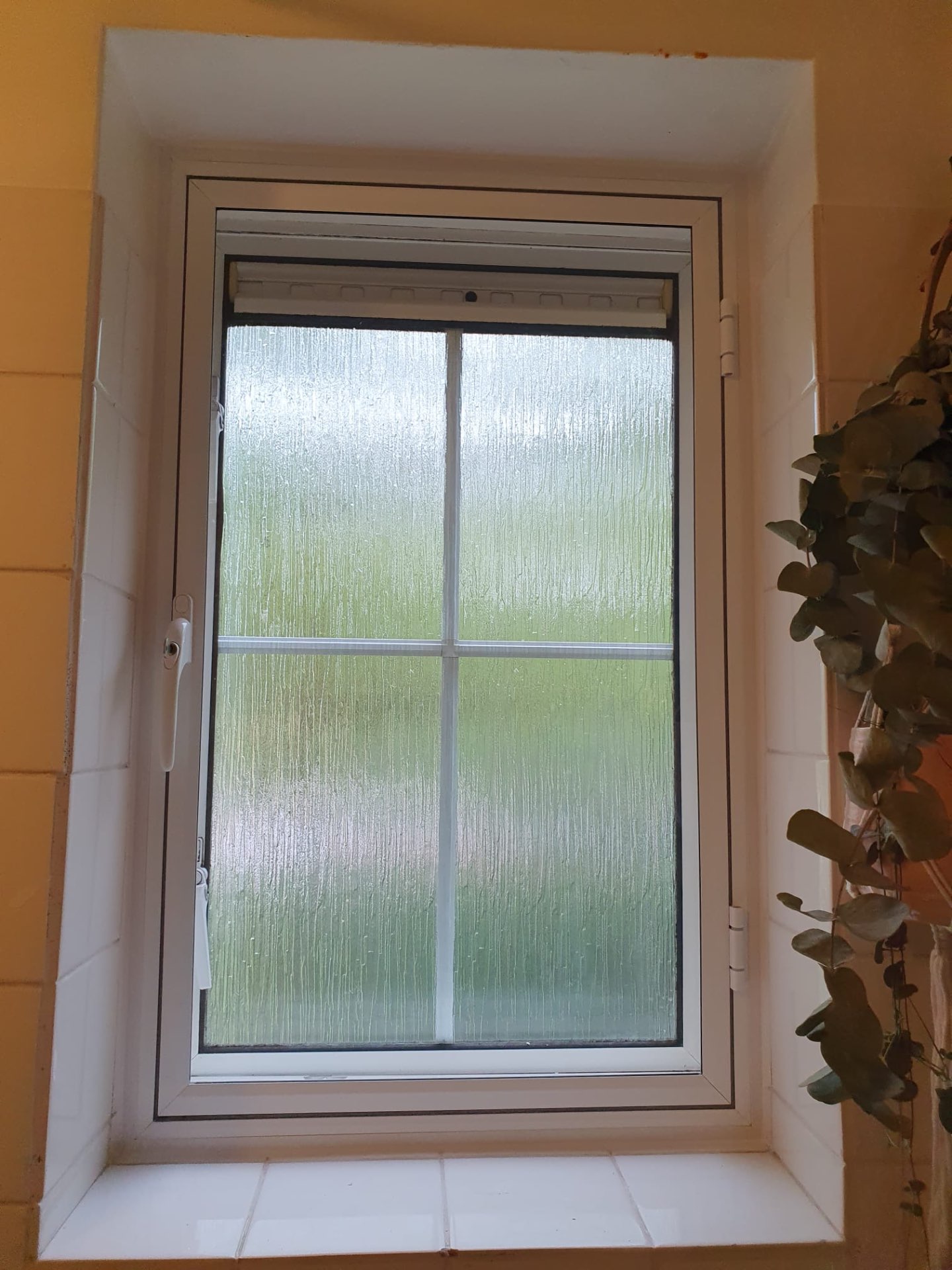
Understanding UV Protection
UV rays from sunlight can cause significant damage to your interior furnishings, artwork, and fabrics over time. Our specialized UV protection secondary glazing helps preserve your valuable possessions by filtering out harmful ultraviolet radiation while maintaining natural light transmission.
Protection Features
- • Blocks up to 99% of harmful UV rays
- • Preserves original window character
- • Maintains natural light transmission
- • Reduces heat gain in summer
- • Compatible with listed buildings
UV Damage Prevention
- • Protects furniture from fading
- • Preserves artwork and photographs
- • Extends fabric life
- • Reduces carpet deterioration
- • Protects wood finishes
Areas That Benefit Most
Living Spaces
- • Living rooms with expensive furniture
- • Dining rooms with antique pieces
- • Bedrooms with delicate fabrics
- • Home offices with important documents
Special Collections
- • Art galleries and museums
- • Private art collections
- • Historic properties
- • Libraries and archives
UV Filtering Technology & Performance Data
Our UV-filtering secondary glazing combines low-iron toughened or laminated glass with a PVB (polyvinyl butyral) interlayer engineered to absorb radiation across the UVA (315–400nm) and UVB (280–315nm) bands. The interlayer chemistry blocks ≥99% of radiation below 380nm and ≥98% up to 400nm when measured to ISO 9050:2003 (Glass in Building — Determination of Light Transmittance, Solar Direct Transmittance, Total Solar Energy Transmittance, Ultraviolet Transmittance and Related Glazing Factors).
For museum and conservation environments, we also specify glass tested to ISO 18934:2011 (Imaging Materials — Multiple Media Archives — Storage Environment) and CIBSE Lighting Guide LG8: Lighting for Museums and Art Galleries. Damage rate (Tdw-ISO) is independently calculated to BS EN 410, allowing conservators to model cumulative exposure in lux-hours per annum against ISO Blue Wool reference standards.
| Glass Specification | UV Block (≤380nm) | Visible Light (LT) | Tdw-ISO Damage Factor |
|---|---|---|---|
| Standard Float (control) | ~25% | 90% | 0.69 |
| 6.8mm Laminate (acoustic PVB) | 99.5% | 88% | 0.42 |
| 10.8mm Stadip Silence + Optilam UV | 99.9% | 85% | 0.31 |
Damage Factor figures derived from BS EN 410:2011 Annex A using CIE 89/3 weighting. Lower values indicate slower fading rates for ISO Blue Wool 1–3 sensitive materials (silk, watercolour pigments, dyed wool).
Specifying for Galleries, Archives & Heritage Interiors
When specifying UV-filtering secondary glazing for ACR (Accreditation Scheme for Museums and Galleries) registered institutions, the design brief should reference Benchmarks in Collection Care 2.0 (Collections Trust) and PAS 198:2012 — Specification for Managing Environmental Conditions for Cultural Collections. Our standard heritage build-up — 10.8mm Stadip Silence with an Optilam UV interlayer set in a slim aluminium sub-frame — meets the Cat. 1 sensitivity requirements (50 lux ceiling, 15,000 lux-hours/year) without resorting to applied window films, which can degrade, bubble, or yellow within 7–10 years.
For Grade I and Grade II* listed properties, the secondary glazing is mechanically fixed to the sub-frame or staff bead with no adhesive contact to historic joinery, satisfying SPAB and Historic England guidance on reversible interventions. Combined with a 100–150mm cavity, the same panel delivers Rw 38–45 dB acoustic attenuation and a combined U-value of 1.6–1.9 W/m²K, addressing UV, noise, and thermal performance in a single specification line.
Typical applications include national trust properties, livery hall portrait collections, RIBA-listed interwar interiors, and private collections in conservation areas across Mayfair, Belgravia, and Holland Park. Sample panels and BS EN 410 test certificates are available on request for inclusion in NBS specification clauses (Section L40 / Pr_25_30_98_75).