Window Solutions for Conservation Areas: Complete 2026 Guide
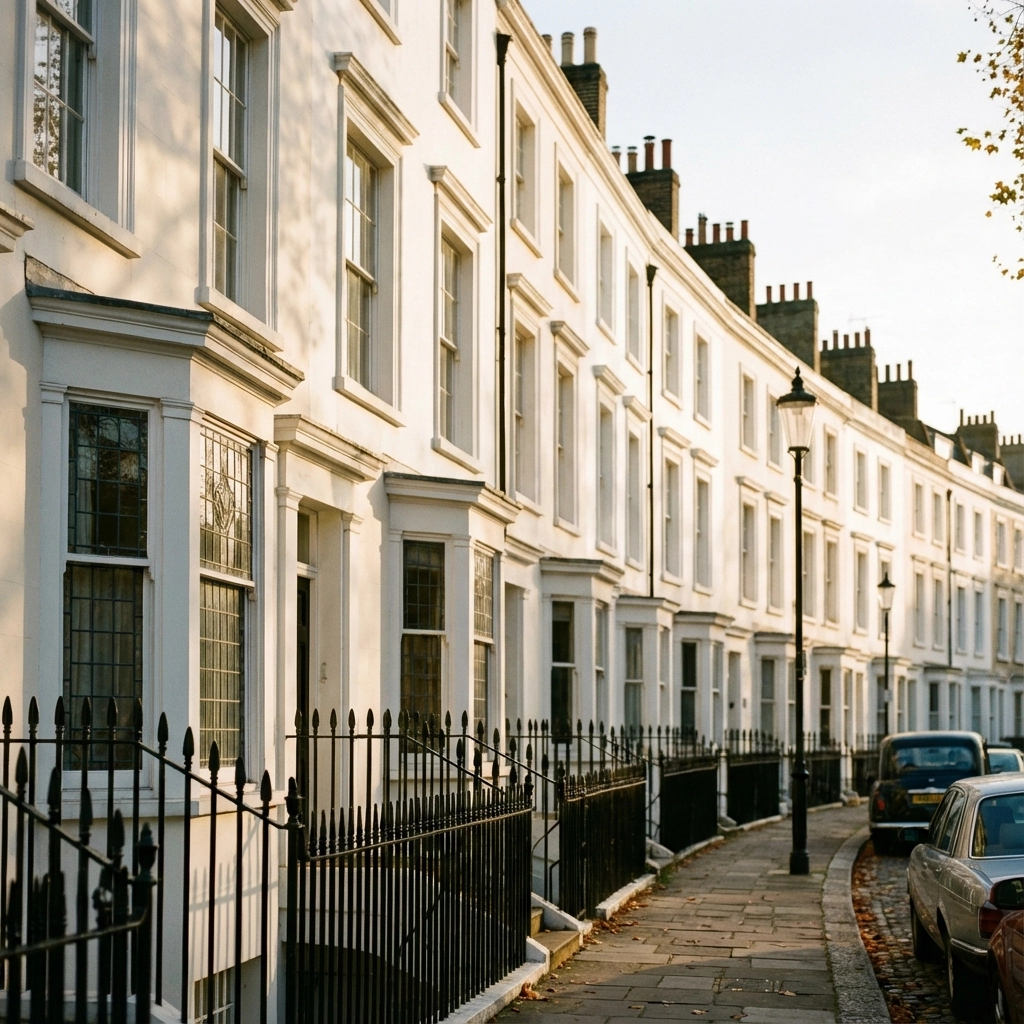
Living in a London conservation area comes with unique privileges and responsibilities. Your beautiful period property contributes to the capital's historic character, but it also means navigating specific regulations when it comes to window improvements. Whether you're dealing with draughty single-glazed windows, excessive noise, or rising energy bills, there are practical solutions that respect both planning requirements and your home's heritage.
This comprehensive guide covers everything you need to know about window solutions for conservation areas in 2026, from understanding planning permission requirements to discovering why secondary glazing has become the preferred choice for thousands of London homeowners.
What Are Conservation Areas and Why Do They Matter?
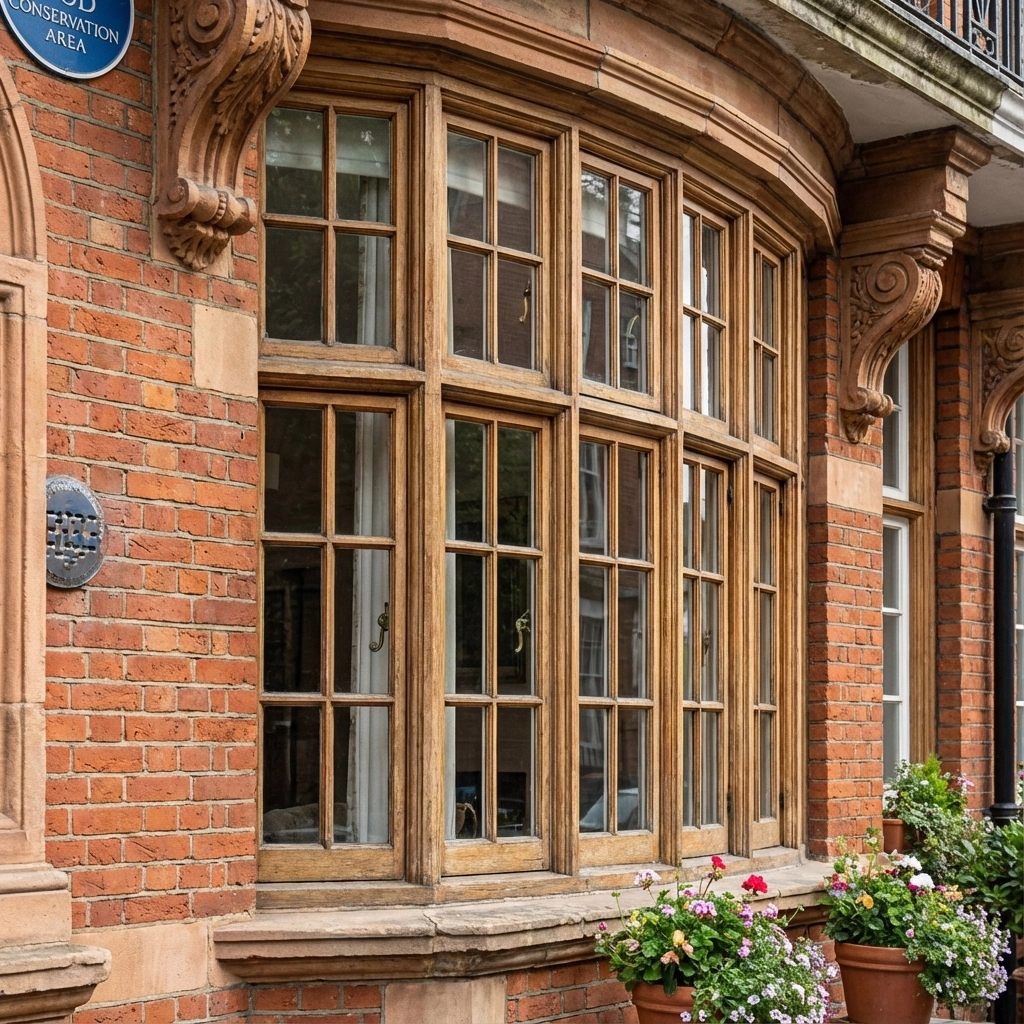
Conservation areas are special parts of London designated by local councils to preserve and enhance areas of particular architectural or historic interest. Currently, there are over 650 conservation areas across London's boroughs, protecting everything from Georgian garden squares in Bloomsbury to Victorian terraces in Richmond.
These designations don't freeze properties in time, but they do ensure that any changes preserve the area's special character. For windows specifically, this means maintaining the original proportions, materials, and architectural details that define your neighbourhood's unique identity.
The good news? Conservation area status doesn't prevent you from improving your windows' performance. It simply requires a more thoughtful approach that balances modern comfort with historic preservation.
Understanding Conservation Area Window Regulations by London Borough
London's 33 boroughs each manage their own conservation areas, leading to variations in requirements and interpretation. However, several key principles apply across the capital:
Standard Conservation Area Rules
In most conservation areas without additional restrictions, you can replace windows on a like-for-like basis without planning permission. This means matching the original material, design, opening mechanism, and glazing pattern. Many boroughs now accept high-quality timber, aluminium, or even uPVC windows that closely replicate the original appearance.
Article 4 Direction Properties
Some conservation areas have additional protection called Article 4 Direction, which removes permitted development rights for certain alterations. Under Article 4, even like-for-like window replacements require planning permission. This typically applies to the most sensitive conservation areas, including:
- Westminster: Parts of Belgravia, Mayfair, and Marylebone
- Camden: Areas of Bloomsbury and Hampstead
- Kensington & Chelsea: Sections of Holland Park and Notting Hill
- Richmond: Historic Richmond town centre and Twickenham riverside
Front vs. Rear Elevation Differences
Most boroughs distinguish between front-facing (street-visible) and rear windows. Front elevations typically require planning permission for any changes, while rear windows often have more flexibility, especially if not visible from public areas.
Planning Permission Requirements for Conservation Area Windows
Understanding when you need planning permission can save months of delays and thousands of pounds in application fees.
When Planning Permission IS Required
- Article 4 Direction properties: Any external window changes
- Front elevations: Windows visible from public streets or spaces
- Material changes: Switching from timber to uPVC or aluminium
- Design alterations: Changing glazing patterns, window proportions, or opening mechanisms
- Single to double glazing: Often considered a material change requiring permission
When Planning Permission ISN'T Required
- Like-for-like replacements: Same material, design, and appearance
- Rear elevations: Not visible from public areas (borough-dependent)
- Internal secondary glazing: Installed on the room side of existing windows
- Minor repairs: Restoration work that doesn't alter the window's appearance
Planning Application Process and Costs
If planning permission is required, expect the process to take 8-12 weeks from validation. Application fees start at £528 for single properties, rising to £1,043 for multiple dwellings. You'll need:
- Heritage statement explaining how proposals respect the area's character
- Technical drawings at 1:20 scale for elevations and 1:5 scale for details
- Photographs showing existing windows and their context
- Materials and colour specifications
Why Secondary Glazing Is the Ideal Solution for Conservation Areas
Secondary glazing has emerged as the preferred window solution for conservation area properties, and it's easy to understand why. Rather than replacing existing windows, secondary glazing adds a discrete internal layer that delivers modern performance while preserving original features completely.
No Planning Permission Required
Because secondary glazing is installed internally and doesn't alter the external appearance, it typically doesn't require planning permission in conservation areas. This includes properties with Article 4 Direction, where window replacement would need full planning approval.
Preserving Architectural Character
Secondary glazing maintains 100% of your windows' original character. Period features like glazing bars, window furniture, opening mechanisms, and proportions remain untouched. This is particularly important for properties with:
- Original sash windows: Maintaining the authentic counterweight system
- Leaded lights: Preserving delicate glazing patterns
- Period hardware: Keeping original locks, handles, and stays
- Architectural details: Protecting carved surrounds and decorative elements
Completely Reversible
Unlike window replacement, secondary glazing can be completely removed without trace, returning windows to their original state. This reversibility is highly valued by conservation officers and adds to property appeal for future buyers who prefer period authenticity.
Superior Performance Benefits
Modern secondary glazing systems deliver exceptional results:
Thermal Efficiency
Up to 70%
Reduction in heat loss
Noise Reduction
80%
Reduction in external noise
Draught Elimination
100%
Seals gaps causing cold spots
Condensation Control
Significant
Reduces moisture problems
Cost Comparisons: Secondary Glazing vs. Window Replacement
For conservation area properties, secondary glazing offers compelling financial advantages beyond avoiding planning application costs.
Secondary Glazing Costs
Window Replacement Costs (Including Conservation Area Requirements)
Cost Comparison Example: 5-Window Front Elevation
Secondary Glazing
£6,000-12,000
Including installation
Heritage Window Replacement
£15,000-25,000
Plus planning fees and potential delays
Case Studies: Conservation Area Success Stories
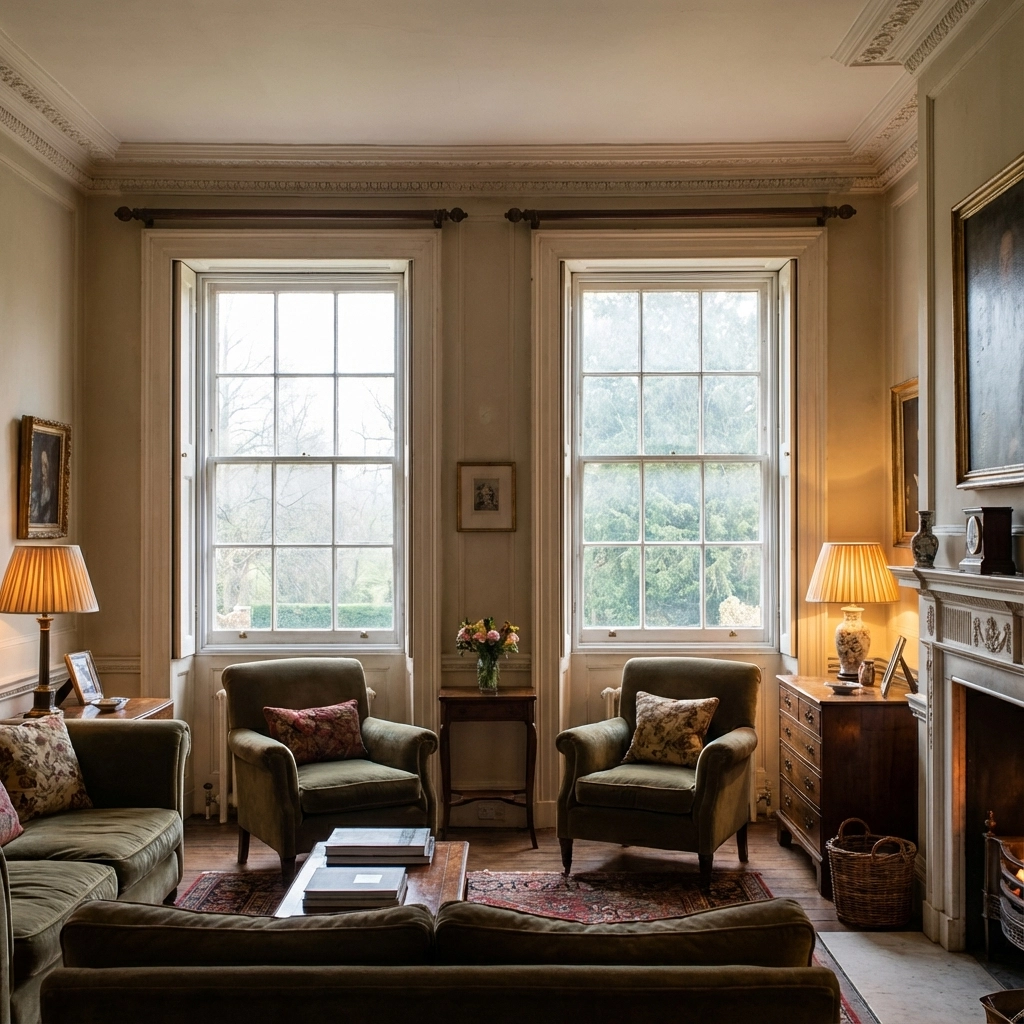
Hampstead Garden Suburb: Edwardian Villa
Challenge: Grade II listed Edwardian property suffering from significant heat loss through original steel casement windows. Westminster's Article 4 Direction prevented window replacement without extensive planning procedures.
Solution: Bespoke secondary glazing system with slimline frames matching the original steel profiles. Low-E glass provided thermal efficiency while magnetic opening allowed summer ventilation.
Results: 65% reduction in heat loss, £400 annual energy savings, and complete preservation of original Arts and Crafts character. Installation completed in one day with no external alterations.
Richmond Riverside: Georgian Townhouse
Challenge: Beautiful Georgian townhouse facing the Thames suffering from traffic noise and river dampness affecting original sash windows. Planning constraints prevented double glazing installation.
Solution: High-performance acoustic secondary glazing with 12mm air gap. Systems designed to complement the property's elegant proportions while delivering superior noise reduction.
Results: 85% noise reduction from riverside traffic, eliminated condensation issues, and preserved the authentic Georgian window operation. Property value increased due to improved comfort without compromising period character.
Belgravia Square: Victorian Mansion Flat
Challenge: Top-floor flat with original Victorian windows causing excessive heat loss and noise from busy square. Landlord restrictions prevented permanent window alterations.
Solution: Removable secondary glazing system allowing tenant improvements without permanent modifications. Magnetic catches enabled easy removal for window maintenance.
Results: Dramatic improvement in winter comfort, reduced heating bills by 40%, and effective noise control. System easily removable at lease end, satisfying both tenant and landlord requirements.
Step-by-Step Guide for Conservation Area Homeowners
Step 1: Determine Your Property's Status
Check with your local planning office whether your property is in a conservation area and if Article 4 Direction applies. Most borough websites have interactive maps showing conservation area boundaries and restrictions.
Step 2: Assess Your Current Windows
Evaluate your existing windows' condition, performance, and heritage value. Consider whether restoration might be more appropriate than replacement for particularly significant examples.
Step 3: Define Your Priorities
Identify your main concerns: thermal efficiency, noise reduction, security, or maintenance. This helps determine whether secondary glazing, restoration, or replacement is most suitable.
Step 4: Explore Secondary Glazing Options
For most conservation area properties, secondary glazing offers the best balance of performance improvement and heritage preservation. Consult specialists who understand conservation area requirements and can design systems that complement your windows' character.
Step 5: Obtain Multiple Quotations
Get quotes from at least three suppliers, ensuring they understand conservation area constraints and can provide references from similar properties in your area.
Step 6: Plan Installation Timing
Secondary glazing installation is typically completed in 1-2 days for most properties, with minimal disruption. Avoid peak heating season if possible to maximize immediate comfort benefits.
Common Mistakes to Avoid
Assuming All Conservation Areas Have Identical Rules
Each borough interprets conservation area guidance differently. Always check specific local requirements rather than assuming general principles apply to your property.
Choosing Inappropriate Materials
Modern uPVC windows might be acceptable in some conservation areas but completely inappropriate for Grade II listed Georgian properties. Match solutions to your property's specific character and significance.
Ignoring Neighbours' Experiences
Talk to neighbours who've undertaken similar work. Their experiences with local planning officers and contractors provide valuable practical insights.
Rushing Planning Applications
Poorly prepared planning applications face delays and potential refusal. Invest in proper heritage statements and technical drawings to avoid costly resubmissions.
Overlooking Maintenance Access
Ensure any solution allows continued access for window maintenance and cleaning. Traditional sash windows require regular maintenance that shouldn't be compromised.
Expert Tips for Conservation Area Properties
Work with Specialists
Choose contractors experienced in conservation area work who understand both technical requirements and heritage sensitivities. Generic window companies often lack the specialist knowledge required.
Consider Building Performance Holistically
Windows are one element of building performance. Consider how window improvements integrate with other conservation-appropriate upgrades like draught-proofing and improved insulation.
Document Everything
Take detailed photographs before any work begins. This protects against disputes and provides valuable records for future maintenance or alterations.
Maintain Original Features
Where possible, maintain original window furniture, glazing patterns, and operating mechanisms. These details contribute significantly to authenticity and character.
Plan for Future Flexibility
Choose solutions that don't prevent future restoration or upgrading. Secondary glazing's reversibility is particularly valuable for this reason.
London Conservation Areas We Serve
Our specialist teams regularly work across London's most prestigious conservation areas, including:
Central London
Belgravia, Mayfair, Marylebone, Bloomsbury, Fitzrovia, Covent Garden
North London
Hampstead, Highgate, Primrose Hill, Camden Square, Regent's Park
West London
Holland Park, Notting Hill, Ladbroke Grove, Little Venice, Paddington
South West London
Richmond, Barnes, Putney, Wimbledon Village, Clapham Old Town
East London
Spitalfields, Whitechapel, Greenwich, Blackheath, Canary Wharf
South East London
Dulwich, Herne Hill, Bermondsey, London Bridge, Borough
Each area presents unique characteristics and planning considerations that our experienced teams understand intimately.
Frequently Asked Questions
Do I need planning permission for secondary glazing in conservation areas?
Generally no, because secondary glazing doesn't alter the external appearance. However, for Grade II listed properties, you may need Listed Building Consent regardless of conservation area status.
Can secondary glazing match the performance of replacement double glazing?
Modern secondary glazing systems often exceed double glazing performance, particularly for noise reduction. Thermal efficiency is comparable, while maintaining complete authenticity.
Will secondary glazing affect my property's value?
Quality secondary glazing typically enhances property value by improving comfort without compromising character. Many buyers prefer authentic period windows with modern performance over replacement alternatives.
How long does secondary glazing last?
High-quality secondary glazing systems last 20-30 years with minimal maintenance. The primary windows remain protected from weather exposure, often extending their lifespan significantly.
Can I still open my windows with secondary glazing?
Yes, modern systems include opening panels for ventilation and cleaning access. Magnetic or sliding systems allow normal window operation while maintaining thermal performance.
Is secondary glazing suitable for all window types?
Secondary glazing adapts to virtually any window configuration, including sash windows, casements, bay windows, and unusual heritage shapes that would be impossible to replicate in replacement windows.
Taking the Next Step
Conservation area window improvements don't have to mean choosing between comfort and character. Secondary glazing offers a proven solution that respects your property's heritage while delivering the modern performance your family deserves.
Our conservation area specialists understand the unique challenges of historic London properties and work exclusively with solutions that preserve architectural integrity while maximizing comfort and efficiency.
Ready to explore your options? Contact our conservation area specialists for a free consultation and quotation. We'll assess your specific property, explain the relevant planning considerations, and design a solution that enhances both comfort and character.
Call us today on 020 7060 1572 or email info@secondaryglazingspecialist.com to book your free conservation area consultation.